

Photography conditions change quickly. One week, you are shooting in a warm studio. Next, you are standing in the mountain wind before sunrise.
Choosing the best cold-weather photography gloves is not about buying the warmest pair. It is about matching glove performance to your shooting environment. Studio work demands precision, street photography requires mobility, mountain sessions call for insulation, and summit-level conditions require maximum protection.
The best winter photography gloves are not built for a single temperature or location. They are built to scale with your environment without sacrificing control or warmth.
Photography Environments Demand Different Glove Performance
Here are the main photography environments and what each requires from your gloves:
Studio Photography

Studio environments are typically warm and controlled, so heavy insulation is rarely necessary.
In this setting, what matters most is:
- Full dexterity
- Precise dial and button control
- Touchscreen compatibility
Bulky winter gloves reduce sensitivity and slow down fine adjustments, which may interrupt your workflow and affect shooting efficiency.
Urban Street Photography

Urban photography introduces fluctuating temperatures and constant movement. You may shift between shaded streets, open wind corridors, and warmer indoor spaces within the same session.
In this setting, what matters most is:
- Moderate insulation without overheating
- Breathability during movement
- Reliable grip on camera bodies and lenses
- Consistent dexterity for fast adjustments
Gloves that are too thin may fail after extended exposure to cold air. Overly insulated gloves can trap heat and moisture, leading to discomfort and reduced control.
Mountain and Sunrise Shoots

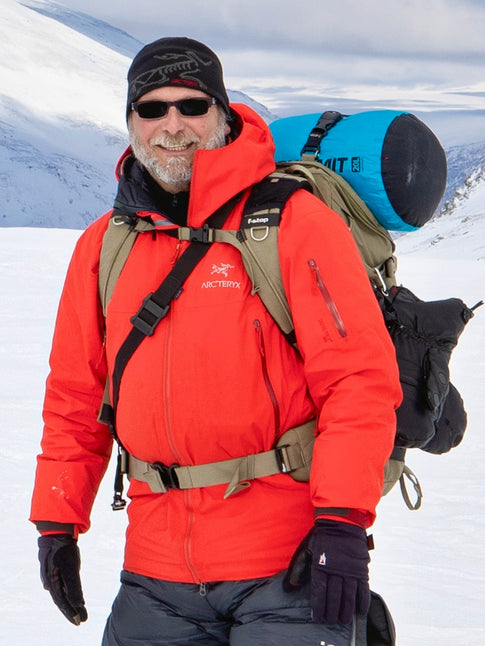
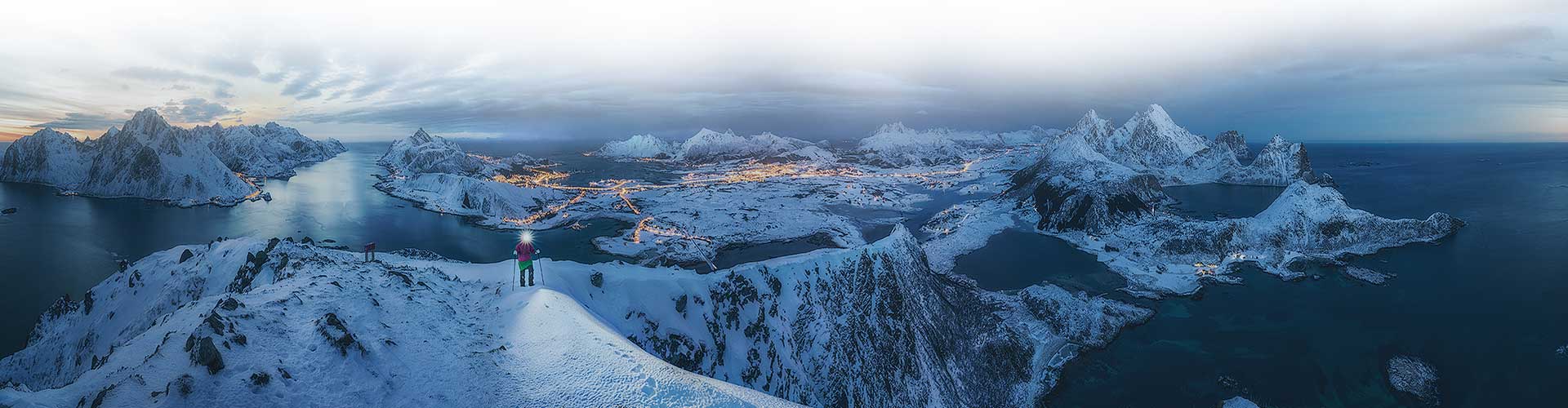
Mountain environments introduce sustained cold, wind exposure, and long periods of stillness. Sunrise sessions often require photographers to arrive early and wait in sub-zero temperatures before the light develops.
In these conditions, gloves must protect against steady heat loss while preserving reliable camera control. In this setting, what matters most is:
- Wind resistance to reduce rapid heat loss
- Consistent insulation during static periods
- Moisture management from snow or condensation
- Steady grip while operating tripods and metal gear
Long periods of stillness often reveal the need for the best cold-weather photography gloves that maintain warmth without sacrificing camera control.
Summit and Expedition Photography

Summit and expedition photography push both equipment and endurance to their limits. Temperatures drop significantly, wind becomes more aggressive, and exposure time increases.
In this setting, what matters most is:
- Maximum thermal retention
- Strong wind protection
- Reliable moisture resistance
- The ability to maintain control during extended inactivity
Gloves that perform adequately in moderate winter conditions may struggle in severe alpine or high altitude environments. This is why photographers working in these settings look for the best photography gloves for extreme cold.
The Smarter Approach for Modern Photographers

A layered photography glove system solves this problem by separating dexterity from insulation. Instead of replacing gloves for every environment, you adjust layers.
Studio Mode
In controlled indoor environments, a thin touchscreen liner is often enough. It provides:
- Full dexterity
- Precise control over dials and buttons
- Touchscreen compatibility
- Natural hand movement
This setup maintains sensitivity without unnecessary bulk.
Street Mode
For urban winter sessions, adding an insulated shell over the liner creates balanced protection. This combination delivers:
Moderate warmth
Wind resistance
Breathability during movement
Consistent camera control
You remain protected without overheating while walking or repositioning.
Mountain Mode
In colder environments, the liner and shell work together to manage wind and sustained exposure. This setup supports:
- Reliable insulation during stillness
- Protection against wind chill
- Steady grip on the metal gear
Optional warmers can be added for longer static sessions when needed.
Summit Mode
During extreme cold, an additional outer layer increases thermal retention. This configuration provides:
- Maximum protection against severe wind
- Reinforced insulation during long periods of inactivity
- Adaptability as conditions shift
Instead of switching gloves entirely, you adjust layers based on the environment.
Why Photographers Trust The Heat Layer System
Many winter photography gloves rely on a single design to solve every situation. This often forces photographers to compromise between warmth and control.
The Heat Company approaches the problem differently. Instead of building one glove to do everything, the Heat Layer System separates key functions into specialized layers.
This system is designed specifically for photographers and combines:
- Merino liner gloves for dexterity and touchscreen control
- Windproof shell gloves for insulation and protection
- Additional outer layers for extreme cold environments
Because each layer serves a different purpose, photographers can adapt their setup without sacrificing camera control.
Final Thoughts
Photography does not occur in a single, controlled environment. It moves from studio precision to street unpredictability or from mountain cold to summit-level exposure.
If you want photography gloves built for real winter conditions and trusted by professionals, a layered system is the smarter choice. Many photographers consider this type of system among the best gloves for cold-weather photography because it allows you to maintain control and extend your shooting time without distraction.
Ready to find your perfect fit? Explore our collection of premium photography gloves or contact us for expert recommendations.
Frequently Asked Questions
1. Do I need different gloves for studio and outdoor photography?
Not necessarily. A layered glove system allows photographers to adjust protection based on the environment, eliminating the need to own multiple pairs of gloves for different conditions.
2. What makes The Heat Company gloves different?
Most winter gloves are single‑piece designs that compromise either warmth or dexterity. The Heat Company uses premium materials (Merino wool, Polartec fabrics) and a modular Heat Layer System to balance warmth, dexterity, and weather protection.
3. Are the Heat Company gloves good for extreme cold?
Yes. The gloves were tested on expeditions to the Himalayas and polar regions and utilize high-performance insulation, such as PrimaLoft Gold and Thinsulate, which provides approximately 1.5 times the warmth of down.
4. Which gloves are best for winter photography?
The best winter gloves for photography offer warmth without sacrificing fingertip control. A popular combination is the Merino Liner Pro for warmth paired with a Shell or Heat 3 Smart mitten for insulation.
5. Are fingerless photography gloves good for winter shoots?
They may work in mild cold, but exposed skin can lead to rapid heat loss in harsher conditions.