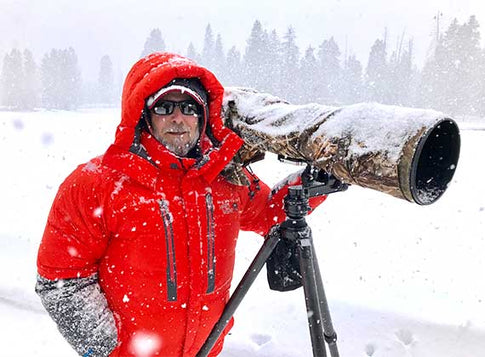


Preparing for cold-weather hunting involves more than adding extra layers. Cold temperatures affect how long you can stay focused, how steady your hands feel, and how well you can control your equipment. Even experienced hunters notice that once fingers get cold, grip strength and precision start to drop.
Gloves are often the first piece of gear to show their limits in cold conditions. What feels comfortable at the start of the hunt can become frustrating hours later. Movement, waiting, and shooting all place different demands on your hands, and not all gloves handle those shifts well.
This guide breaks down what actually happens during cold-weather hunting and explains why a layered glove system performs better than relying on a single glove.
How Cold Weather Hunting Changes Throughout the Day

Cold-weather hunting typically progresses through three distinct phases, and each one affects your hands differently.
Tracking and Movement
This is the most active part of the hunt. You are walking, adjusting gear, and staying alert to your surroundings. Body heat builds during movement, but the hands remain exposed to wind and cold air. At the same time, you need control. Handling optics, GPS devices, making calls, and operating equipment requires a steady grip and precise finger movements.
During this phase, gloves need to prioritize dexterity while still offering basic protection from the cold.
Waiting and Stillness
This is where cold weather becomes difficult to manage. Once you settle into a blind or stand, movement slows or stops totally. Body heat drops. Wind moves through trees, and moisture from snow or frost begins to settle. With little movement to generate warmth, fingers cool down quickly.
In this phase, insulation and heat retention matter more than flexibility. Gloves need to keep you warm for long periods without forcing you to remove them.
Shooting and Precision Moments
This phase is brief but critical. When the moment comes, you need a steady grip and reliable trigger control. You also need to feel exactly what your fingers are doing. Gloves that are too bulky can interfere with accuracy, while cold or numb fingers can reduce control just as much.
At this stage, gloves must allow for precision without exposing the skin to the cold.
Why Traditional Hunting Gloves Struggle in Winter

Most hunters rely on a pair of gloves and expect them to work throughout the hunt. That expectation leads to compromise.
Lightweight gloves feel quiet and precise, but they lose heat quickly during long waits. Bulky insulated gloves stay warm, but they reduce trigger feel and can create noise during movement. Swapping gloves during a hunt is slow and impractical.
Single-layer gloves strike a fixed balance between warmth and control. When conditions change, that balance breaks. This is why many hunters continue searching for better cold-weather hunting gloves and still feel limited in the field.
How the Heat Layer System Works for Hunting

A layered glove system assigns distinct functions to different layers, rather than forcing a single glove to handle every condition. Dexterity, insulation, and weather protection are handled separately, allowing each layer to do its job without compromise.
This approach is the foundation of The Heat Company’s Heat Layer System.
1st Layer: Touchscreen liner gloves

The first layer is the liner. Liners are thin gloves worn directly on the hand. They provide a precise grip and natural finger movement, making them ideal during tracking and active movement.
Because liners stay on your hands, you can handle optics and operate GPS devices without removing gloves. Touchscreen compatibility makes them practical for modern hunting tools.
For many hunters, this layer alone is sufficient during movement when the body is generating heat.
2nd Layer: Insulated shell gloves

The second layer is the shell. Shell gloves are worn over the liners, focused on warmth and wind protection. They block cold air and add insulation while maintaining functional control.
During colder movement phases or short waiting periods, shells provide noticeable warmth. They protect against wind chill, snow, and damp terrain while keeping hands functional. Reinforced leather areas improve durability and grip, especially when handling gear or resting hands on rough surfaces.
3rd Layer: Polar Hood for extreme cold

The third layer is optional, but essential in extreme cold. This outer layer is designed for long periods of stillness, when heat loss becomes most noticeable.
It traps warmth and protects against wind and moisture during extended waiting periods. When temperatures drop or wait times increase, this layer adds insulation without requiring you to remove anything underneath. It is lightweight, quiet to use, and compatible with hand warmers for extended cold exposure.
This is the layer hunters rely on when conditions demand maximum warmth during cold-weather hunting.
A Real World Hunting Experience
Professional hunter Will from Black Sheep Warrior shared a real-world experience that highlights the value of layered gloves in cold conditions.
Spending long hours outdoors in northern New England, Will tested the Heat 3 Smart Gloves during freezing temperatures, snow, and extended exposure. Designed for use in extreme environments, the gloves provided steady warmth while allowing him to stay active and in control. Living in a region where, as he notes, “one thing we have a lot of here is cold,” he valued being able to work and move outdoors without his fingers going numb.
His experience shows that a layered glove system supports both warmth and dexterity. Instead of fighting the cold, he stayed focused on the task at hand, even in harsh winter conditions.
Final Thoughts
Cold-weather hunting is not about finding the warmest single glove. It is about staying effective through changing conditions, long waits, and moments that demand precision. Movement, stillness, and shooting each place differently demand different things from your hands, and no single-layer glove can handle them all equally well.
Ready to build a glove setup that works with you in the field? Explore our top glove combinations for hunting. If you’re struggling to choose the best hunting gloves, contact us for personalized recommendations.