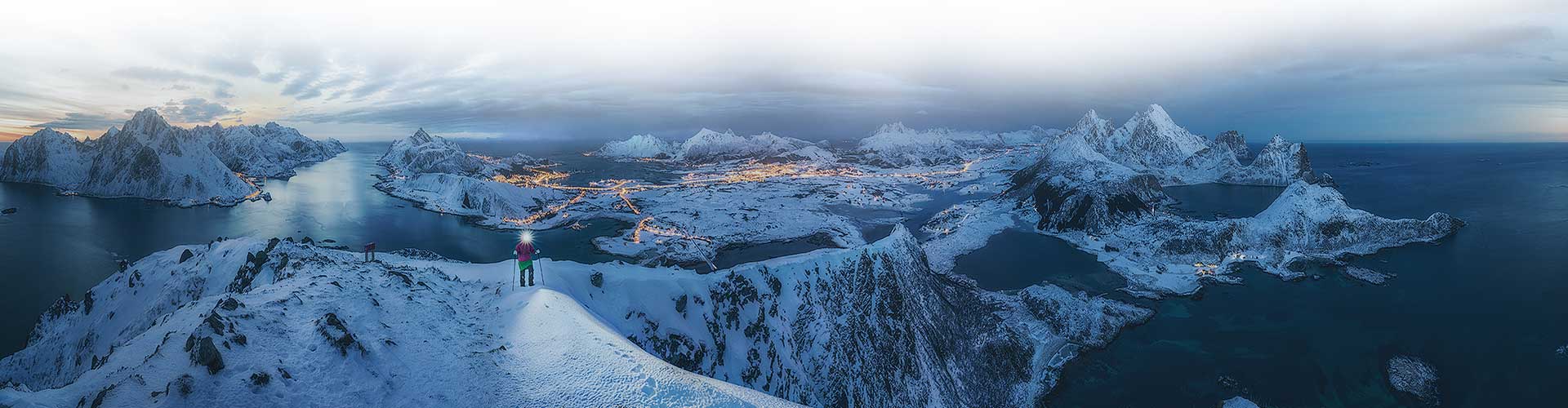


Many photographers prefer single-layer winter gloves, expecting warmth and flexibility. These gloves often work for short sessions, but as temperatures drop and shoots extend, warmth fades, and dexterity suffers.
A modular warmth system approaches the problem differently. Instead of forcing one glove to handle everything, it uses layers to manage moisture, insulation, and wind protection independently. For photographers working in real winter conditions, this design difference becomes a game-changer.
Here’s how single-layer gloves compare to modular warmth systems, and which option performs better for cold-weather photography.
Common Types of Winter Photography Gloves
Most photographers shopping for winter camera gloves end up choosing between two design approaches. Both are marketed for cold weather, but they are built for different use cases.
Single Layer Insulated Gloves

Single-layer insulated gloves are designed for general winter activities, such as skiing and hiking, as well as everyday use.
They rely on one layer to handle everything:
- Warmth
- Wind protection
- Moisture management
- Dexterity
They often feel comfortable at the start and are fine for short walks or casual outings.
Modular Glove Systems

The Heat Company modular glove system approaches the problem differently.
Instead of forcing one glove to do everything, each job is handled by separate layers:
- Dexterity is offered by glove liners
- Warmth and wind protection by a shell
- Extreme cold protection by an outer cover
This design allows photographers to adapt without exposing skin or swapping gloves.
Why Single Layer Gloves Struggle During Photography
Single-layer gloves struggle in photography because they are built for a fixed level of warmth. This limitation in use is reflected in customer reviews published directly on major outdoor glove brands’websites.
Multiple verified buyers report that their gloves were “not warm enough” once temperatures dropped, despite being marketed as cold-weather gloves.
Common issues reported by users include:
- Gloves feel warm initially, then cool rapidly
- Wind passes through during static moments
- Moisture builds with no way to regulate it
- Fingers stiffen, reducing control over small camera controls
On another outdoor brand’s official site, one customer described their gloves as “not warm at all” in real cold, noting that air moved straight through the fabric and their fingers went numb as temperatures dropped.
These reviews come from customers who expected their gloves to perform in real winter conditions. They reveal the same limitation again and again: a single insulated layer cannot adapt when wind, moisture, and inactivity take over.
How The Heat Company System Is Built

The Heat Layer System is designed as a complete setup, not a single glove. Each layer works independently while also functioning as part of an integrated system.
Layer 1: Touchscreen Liner Gloves
The liner is the foundation. It stays on your hands at all times and provides:
- Precise control for dials and buttons
- Touchscreen compatibility
- Moisture management during movement
This layer allows photographers to work the camera without ever exposing skin.
Layer 2: Insulated Shell Gloves
The shell adds warmth and wind protection. It is worn over the liner when temperatures drop or the wind increases.
Key benefits include:
- Strong insulation without bulk
- Wind blocking where heat loss accelerates fastest
- Easy access to controls without removing the liner
This layer is what keeps hands warm during pauses and exposure.
Layer 3: Outer Cover for Extreme Cold
For long static shoots or severe cold, an outer cover adds protection. It is lightweight, packable, and easy to deploy.
This layer is designed for:
- Extended waits
- Night photography
- Alpine or expedition conditions
It maintains warmth when standard winter gloves are no longer enough.
Why Photographers Trust The Heat Layer System
It's the best and only gloves that make it possible to do my photography, keeping my hands warm and safe.

Eric Gideon Baker, a photographer based in Minnesota, regularly shoots in extreme winter temperatures that drop to -38°F. In those conditions, most gloves he tried over the years failed quickly, forcing him to cut shoots short.
After switching to The Heat Company’s layered system, that changed.
In his review, Eric explained that these were “the best and only gloves that make it possible to do my photography, keeping my hands warm and safe.” The layered design finally allowed him to focus on shooting instead of fighting the cold.
Final Thoughts
Winter photography demands gloves that adapt to changing conditions. Single-layer gloves provide fixed warmth, while layered systems adjust for movement, wind, and long shoots. That’s why photographers trust the Heat Layer System to keep them warm, maintain control, and focus on capturing the shot.
Ready to find your perfect fit? Explore our collection of premium photography gloves, or contact us for expert recommendations.
Frequently Asked Questions
1. What are the best gloves for cold-weather photography?
Layered glove systems are the best gloves for cold-weather photography. They separate dexterity, insulation, and wind protection, allowing photographers to adjust warmth without exposing their hands.
2. What gloves work best for sub-zero or alpine photography?
Modular gloves, along with a liner, insulated shell, and outer cover, work best in sub-zero conditions. This setup maintains warmth during static periods and harsh winters.
3. What are the pros and cons of single-layer gloves for photographers?
Pros:
- Simple design
- Suitable for short sessions
Cons:
- Fixed warmth level
- Rapid heat loss in wind or stillness
- Reduced dexterity as fingers cool
4. Single-layer gloves vs modular gloves: which is better for long shoots?
Modular gloves are better for long shoots. They adapt to changing conditions and maintain warmth and control over extended hours.

