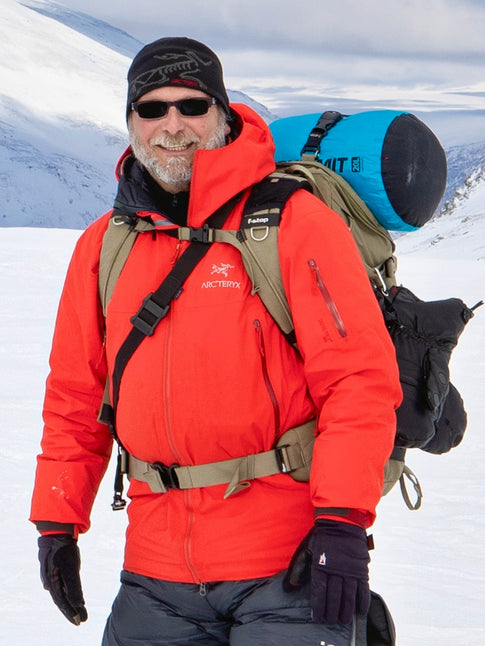


Have you ever wondered why winter gloves stop working the moment the temperature drops below –15°C? At that point, the cold starts to expose the limits most winter gloves were never designed to withstand. Insulation that felt warm earlier begins to lose effectiveness. Moisture builds up inside the glove, and wind pulls heat away faster than your hands can replace it.
Every day, winter gloves are built for short outings and steady conditions. Below –15°C, those assumptions fall apart. Movement, sweat, grip pressure, and long stops all work against the fixed insulation in gloves, which is why many gloves fail in extreme cold.
What actually works in these conditions is a layered glove system. These gloves use separate layers for dexterity, insulation, and wind protection, allowing you to adjust warmth throughout the day.
In this article, we explain why most winter gloves stop working below –15°C and which extreme cold gloves are proven to perform in alpine and expedition environments.
Common Types of Winter Gloves
Most winter gloves fall into one of two basic types. Both are often labeled as warm, but they are designed for very different conditions.
1. Everyday Winter Gloves for Mild Conditions

Every day, winter gloves are designed for predictable, short-duration use.
They work well for:
- Short walks
- Casual hikes
- Light winter weather
- Around-town cold
These gloves rely on a single layer of insulation to handle everything. They feel comfortable at first, but they are not built for prolonged exposure or changing conditions.
2. Layered Glove Systems for Extreme Cold Performance

Layered glove systems are built for environments where conditions change constantly.
They are designed for:
- Subzero temperatures
- Wind exposure
- Moisture buildup
- Long active and static periods
Instead of one fixed layer, they use a modular system that adapts as conditions change, helping maintain warmth and performance in extreme cold.
Why Most Winter Gloves Stop Working Below –15°C

Below -15°C, several physical factors begin to work against traditional glove designs. When these factors combine, heat loss accelerates and warmth drops quickly.
1. Insulation Compression
Insulation only works when it can trap still air.
In thick, single-layer gloves:
- Grip pressure compresses insulation
- Loft collapses
- Heat retention drops immediately
Gloves that rely on thick insulation for warmth often lose heat faster once that insulation is compressed during use.
2. Moisture Saturation
Hands sweat during movement, even in extreme cold.
In single-layer gloves:
- Moisture accumulates inside the insulation
- Wet insulation loses thermal efficiency
- Moisture freezes during rest periods
Once insulation becomes wet in sub-zero conditions, it is extremely difficult to regain warmth outdoors.
3. Wind Penetration
Wind is one of the fastest ways to lose heat in cold environments.
Many winter gloves:
- Use soft outer fabrics
- Rely on stitching instead of true wind barriers
- Leak heat through seams and openings
Below –15°C, even light wind dramatically increases heat loss and accelerates finger cooling.
4. Static Insulation Cannot Adapt
Single-layer gloves are designed to provide a consistent level of warmth.
This creates a familiar cycle:
- Too warm during movement
- Sweat builds inside the glove
- Too cold during stops
- No way to regulate heat
In extreme cold, adaptability matters more than insulation thickness.
What This Looks Like in the Real World
Single-layer winter gloves fail fastest in real outdoor use, when cold, wind, moisture, and inactivity combine.
Common situations where this happens:
- Ice climbing delays: After movement stops, sweat cools, insulation compresses, and fingers lose warmth quickly.
- Alpine ridgelines: Constant wind pulls heat through seams and soft outer fabrics.
- Winter trekking (stop-and-go): Hands overheat while moving, then cool rapidly during breaks as moisture builds.
- Long static periods: Extended stops expose how quickly fixed insulation stops working.
In these conditions, gloves often feel warm at first, then fail when performance matters most.
What a Real User Experience
One customer described this exact problem after using an insulated winter glove in cold conditions:
“I wore them on a 10-minute walk in 20-degree weather. My thumb and forefinger went numb. I was terrified because I couldn’t open my car.”
The experience follows a familiar pattern. The gloves felt usable at the start, but once temperatures dropped and movement stopped, warmth disappeared quickly. Bulky insulation was not enough to prevent numb fingers or loss of control.
How The Heat Company’s Layer System Maintains Warmth Below –15°C

The Heat Company designs gloves as a complete system rather than a single solution. Each layer serves a specific purpose, allowing warmth and protection to adjust as conditions change rather than relying on a single fixed level of insulation.
Layer 1: Liners for Active Movement
Liners are worn continuously. They provide:
- High dexterity
- Breathability
- Moisture management
- Touchscreen compatibility
During movement, liners prevent sweat buildup while maintaining control.
Layer 2: Insulated Shell for Wind and Cold
Shells are added when conditions demand more protection. They offer:
- True wind blocking
- Insulation without excess bulk
- Rapid warmth during exposure or rest
This layer stops convective heat loss, which is critical below –15°C.
Layer 3: Outer Layer for Prolonged Static Cold
For long stops or extreme temperatures, an outer layer is added.
Polar hood is:
- Lightweight
- Packable
- Designed for extended warmth retention
It is used when hands must stay warm without movement.

Final Thoughts
Winter gloves for daily use fail below –15°C, not due to poor quality, but because single-layer designs cannot adapt. Compression, moisture, wind, and long static periods quickly overwhelm fixed insulation.
Ready to face winter with confidence? Discover Our Top Glove Combinations for Outdoor Activities. You can also reach out for recommendations.
Frequently Asked Questions
- 1. Are thicker winter gloves always warmer?
- No. Thickness alone does not guarantee warmth. Thick gloves often rely on a single layer of insulation, which can compress during use, trap moisture, and lose effectiveness when you stop moving.
- 2. What gloves actually work below –15°C?
- Gloves designed as layered or modular systems perform best below –15°C. These systems separate dexterity, insulation, and wind protection into different layers, allowing warmth to be adjusted as conditions change.
- 3. Can glove liners improve warmth in sub-zero temperatures?
- Yes. Liners help manage moisture during movement and preserve dexterity. By keeping hands drier, liners reduce heat loss and prevent insulation from becoming damp, both of which are critical in sub-zero conditions.
- 4. Are mittens warmer than gloves in extreme cold?
- Generally, yes. Mittens keep the fingers together, reducing heat loss. However, mittens alone limit dexterity. In extreme cold, mittens work best as part of a layered system, worn over liners that provide control when needed.
- 5. What gloves work best for ice climbing and high-altitude expeditions?
- Layered glove systems that support movement and extended static periods without skin exposure are best for high-altitude expeditions.
- 6. What gloves do professional mountaineers use?
- Professional mountaineers typically use modular glove systems rather than single gloves. These systems allow them to adjust layers based on wind, exertion, and temperature, which is essential for long days in unpredictable alpine environments.