

Have you ever tried to take a perfect winter shot only to realize your fingers are freezing faster than your camera can focus? Every photographer knows this moment. You just frame the shot or reach for the shutter, and suddenly your fingers feel stiff, numb, and unresponsive. Cold-weather photography is beautiful, but it demands a glove system that protects your hands while still letting you control your camera.
This is exactly where the big debate of winter photography gloves comes in: should you choose flip-cap photography gloves that give quick finger access, or a layered photography glove system that protects your skin the entire time?
Let’s walk through each style so you can choose the best glove system for your winter shoots.
Types of Photography Gloves You See Everywhere
Below are the two most common options for photography gloves in winter conditions:
1. Flip Cap Photography Gloves
Flip-cap photography gloves, or finger-access gloves, are popular because they feel convenient. You simply open a small finger section to touch your camera controls. They work well for quick shots or mild weather. Many photographers start with them because they promise fast access to the shutter, dials, menus, and touchscreens.
2. Layered Photography Gloves
Layered photography gloves are designed differently. Instead of exposing fingers to the cold, they combine a touchscreen liner glove with an insulated shell glove. The liner provides dexterity. The shell gives warmth and protection. You can open a thumb or mitten section without revealing any skin. This keeps your hands warm while still giving you the control you need.
This comparison between flip-cap vs layered photography gloves often comes down to how much exposure your hands can realistically handle during winter shoots.
Why Photographers Struggle With Winter Gloves

Using a camera in the cold is challenging. The controls are small and precise, and the moment your fingers stiffen, everything becomes harder to manage. This is why flip-cap glove photography often appeals to shooters who want quick access without fully removing their gloves.
These gloves allow the thumb and index finger to pop out for quick adjustments. They feel convenient at first, especially during short sessions or when the temperature is mild.
But here is the truth no one warns you about. The moment you expose bare skin to winter air, your warmth drops instantly. Even a few seconds of exposure in freezing conditions can make your fingertips sting and slow down. Once they get cold, it becomes tough to warm them back up while you are still outside.
What Actually Happens When You Expose Your Fingertips
Most flip cap gloves are built for convenience first and insulation second. Here is what photographers usually experience during real cold-weather sessions.
- Fingers warm at the start, but begin to numb within minutes of exposure.
- Wind flows directly through the opening, which rapidly pulls heat away.
- Moisture from snow or breath lands on exposed skin, making everything colder.
- Reaction time on the camera slows down.
- Changing settings becomes clumsy and uncomfortable.
- The shoot ends early because the hands simply cannot keep up.
If you have ever tried foldable finger gloves for photographers, you already know this feeling. These gloves are helpful, but they are not designed for long or harsh winter conditions.
This is where a layered photography glove system becomes a game-changer.
Why Layered Glove Systems Solve the Cold Weather Problem
Instead of exposing your fingers to the cold, The Heat Company created a true photography glove system that keeps your hands covered while still giving you full control.
The Heat Layer System is designed for photographers who shoot in cold, windy, snowy conditions, or in any environment that demands both dexterity and protection. The system has three layers that work together.
1st Layer: Touchscreen liner gloves

Liners are thin under-gloves that let you handle your camera comfortably without removing them. All Liners feature touch-sensitive fingertips, compatible with touchscreen displays from all manufacturers. Depending on your personal preferences, you can choose from different models for different temperatures and requirements
2nd Layer: Insulated shell gloves

Shell is an extra-warm mitten worn over our Liners gloves. You can easily open the mittens with a zipper on the palm of your hand and fold back the mitten flap if necessary. This way, you can take pictures wearing the Liners without taking off the mittens.
3rd Layer: Polar Hood for extreme cold

The Polar Hood is a thin and extremely light mitten cover. You can roll it up small and stow it effortlessly in your photo bag. This outer layer is handy for photographers seeking photography gloves for extreme cold. It performs well during long, static shoots in harsh winter environments.
Together, these layers create a system designed for comfort, warmth, and whole camera usability.
Why Photographers Choose Layered Systems Over Flip Caps
Most photographers do not switch to layered systems for style or trend. They switch because of experience. Here are the reasons you hear again and again.
- Zero exposed skin means zero sudden heat loss.
- Longer shoots are possible because fingers stay warm and responsive.
- Camera handling feels natural because liners give precise movement.
- Shells protect against wind, which is what usually steals warmth fastest.
- The system works in any temperature because you adjust the layers based on the day.
A Real World Story From a Winter Photographer

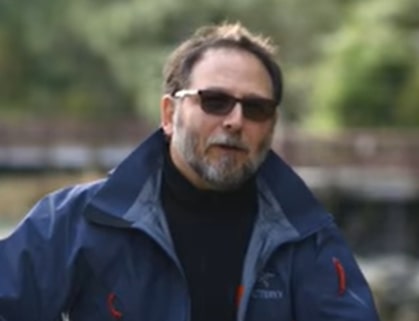
Winter photographers know that cold hands can end a session long before the light does. This is something Bogdan A. learned firsthand while photographing winter birds in Minnesota. He shared that temperatures often drop to -20 degrees, yet with The Heat Company’s layered setup, he can stay out comfortably. In his own words:
“My hands and fingers remain comfortable at twenty below zero. I am very pleased to say that I had great success photographing in extreme cold, both using various camera controls and taking fantastic images.”
Another photographer, Eric G. Baker, described shooting sunrise at -38°F during a dogsledding trip. He explained how most gloves failed him during previous winters, but the Heat Layer System became the first solution that let him truly focus on his craft:
“These are the only gloves that make it possible to do my photography, keeping my hands warm and safe.”
Both photographers share the same turning point. Warm fingers mean steady hands. Steady hands mean better photographs, and better photographs only happen when you can stay outside long enough to capture the moment. That is the difference a true layered glove system makes.
Which Glove Style Should You Choose
Flip-cap photography gloves can work on mild days, for quick walks, or for very short sessions. They offer fast access but limited insulation.
For photographers who shoot regularly in cold environments, a layered approach is often the best glove system. It provides the warmth and reliable control needed for long winter sessions.
Conclusion
If you want photography gloves built for real winter conditions and trusted by professionals, the Heat Layer System is the solution. It helps you shoot longer, stay warmer, and capture the moments that matter.
Ready to find your perfect fit? Explore our collection of premium photography gloves, or contact us for expert recommendations.